Saturday, May 23, 2009

The Homebrew 6DJ8 Single Tube Headphone Project.

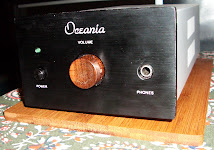
New beginnings, I am embarking on the construction of a 6DJ8 Single tube headphone amplifier and will during the course of construction add photos and description on the work and components. This is a tube hybrid amplifier. The first set of photos are of the cabinet and the pcb board being measured and prepared for mounting to the cabinet. the cabinet is lovely DIY cabinet called "Oceania" which is designed for headphone amplifier projects. The power for the pcb is 24V DC (low voltage) and on board regulation is accomplished by the LM317 (in my case I have upgraded to Linear Technology LT-1085). The volume use in this instance is a Blue Alps 2 x 100K A pot.


The power supply used will be a 24 V switching power supply and will be outboard and not housed in the same cabinet.

Stage 1 ( Cabinet & Hardware):


Above: The PCB for the amp layed in the bottom cabinet being measured for placement.


Above: The 6DJ8 Headphone Amp. front panel facia.


Above: The top half of the slide on cabinet.


Above: The hardware, knobs, feet and on/off button.


Stage 2 (PCB population):

Stage 2 is the population of components on the PCB, the following photos show the speed of which the components have already become populated.

Sorry for the quality of some of the photos, the digital camera will need to be replaced at some stage!

Above: The front panel beginning to take shape, the phone socket fitted, the Alps volume pot fitted and a nice custom made Goncalo Alves Wooden 1/4 gloss finish knob fitted.

Components:

Tube Socket: Gold Plated / Ceramic Tube Socket for 6DJ8

Tube: NIB NOS Tungsram 6DJ8


Regulators: LM-317 - Replaced with Linear Technology LT-1085

Semicon.: K117 x 2, K310 x 2


2SK117 x 2 :
Field Effect Transistor Silicon N Channel Junction Type Low Noise Audio Amplifier Applications.

Toshiba 2SK117 Data Sheet PDF.

3SK310 x 2 : 2SK310 Silicon N-Channel MOS FET (High Speed Power Switching) - Hitachi Semiconductor.

Hitachi 2SK310 Data Sheet.


Resistors: Dale Vishay & Tokyo Ko-on


10 ohms x 2
13 ohms x 2

15 ohms x 2
35 ohms x 2
100 ohms x 2
220 ohms x 2
2K ohm x 1

2.2K ohms x 2
1M Ohms x 2 (1watt)

VR - Blue Alps 2 x 100K A

On board VR: 2 x 1K ohms Bourns

Fuse (pcb mount): Silver plated contacts

Capacitors:

Musicap "Hoviland" 0.1uF PP x 2

220uF x 2 Black Gate 16V
1000uF Elna "For Audio" 50V
1000uF Nichicon 35V


Misc:

1 x Headphone Chassis

1 x gold plated panel mount headphone socket
2 x gold plated panel mount RCA sockets

1 x 24 DC panel mount DC connector
1 x LED

1 x push button on/off for panel mount
4 x isolation feet
1 x 24 DC switching power supply housed seperately
4 x heatsinks for semicons

The Finished Project:


I finally finished the project on 26th June, 2009 and here are the photos of the completed single tube 6DJ8 headphone amplifier which is up and running and using a NOS Tungsram tube:


The heatsinks were replaced on the FET's and regulators with larger ones, the amp does not run too warm and is quite cool. One drawback is the LED configuration (refer to the circuit diagram), this is a bad design to be taking voltage for the LED from this location as it does cause oscillation when powering up the amplifier and you "Must" not plug in the headphones as you will hear a high pitched whinning sound. Only when the LED is fully lit and the circuit becomes stabilized should you plug in the headphones. The designer should rethink about the LED issue! I am using an off the shelf 24V DC (2amp) switching mode power supply which is available everywhere (ebay) and it is very quiet, the supply is not housed in the same cabinet and is external to the unit to minimize on any further noise. Of course you may choose to use a linear supply if you wish.

Dynamics and transients are extremely good, bass impact is extremely good and mids-highs are well balance with high resolution. The NIB NOS 6DJ8 from Tungsram is an extremely high resolve tube and well suited to the amplifier. The sound stage is extremely deep and location of musical instruments is very precise. I expect things to further improve as the Hoviland "Musicaps" begin to burn in, since I have currently about 50 hours of time on the amp. One can hear the changes each time, the bass appears to be becoming tighter and better controlled.

The
Linear Technology LT-1085 regulators will be a night and day difference over the original LM-317 regulators and my advice is not to skimp on these regulators and change them to the Linear Technology regulators! You will have a much faster amp and the difference is stunning to say the least.

I have used
Musicap "Hoviland" 0.1uF PP x 2 caps. as I have found that these give the warm SQ that I want from this tube. Other caps used ar Black Gates and Nichicon, you must experiment with caps as these will alter the SQ signature of the sound. Overall, it is a very quiet amp and audio qulaity is very good once completely warmed up. The circuit board can be found on ebay and sells for about US$8.00.

I have received enquires about the cabinet and volume knob, the cabinet is off the shelf made for headphone amplifiers and can be found on ebay, whilst the
Goncalo Alves Wooden 1/4 gloss finish knob is a custom turned knob and is a once off item.

Friday, May 15, 2009

Sheryl Crow.


I Dont Wanna Know - Sheryl Crow


Artist: Sheryl Crow
Song: Wildflower

Wildflower - Sheryl Crow

Capo – 3th Fret

Intro
E|---1-----1----5----5----5----5----5----5----|
B|---3-----3----6----6----6----6----6----6----|
G|---2-----2----5—---5----4----4----3----3----|
D|---0--0----0----0----0-----0---0-----0---0--|
A|--------------------------------------------|
E|--------------------------------------------|

E|---1-----2----5----5----5----5----5----5----|
B|---3-----3----6----6----6----6----6----6----|
G|---2-----2----5—---5----4----4----3----3----|
D|---0--0----0----0----0-----0---0-----0---0--|
A|--------------------------------------------|
E|--------------------------------------------|


(First Verse)

Quiet eyes You have always been my
E|---1-----1----5----5----5----5----5----5----|
B|---3-----3----6----6----6----6----6----6----|
G|---2-----2----5—---5----4----4----3----3----|
D|---0--0----0----0----0-----0---0-----0---0--|
A|--------------------------------------------|
E|--------------------------------------------|

Wildflower Showing up wherever
E|---1-----2----5----5----5----5----5----5----|
B|---3-----3----6----6----6----6----6----6----|
G|---2-----2----5—---5----4----4----3----3----|
D|---0--0----0----0----0-----0---0-----0---0--|
A|--------------------------------------------|
E|--------------------------------------------|

Beauty's lost its way Your heart must break
E|---------------------------------------------------|
B|--1----1-----3------3----3-----3-------------------|
G|--2----2-----3------3----4-----4------5--4---------|
D|-----3---3---3---3----3--5---5---5----3-----7—5----|
A|--3----------1-----------5------------5------------|
E|--1----------------------3-------------------------|

E|---2-----2----5----5----5----5----5----5----|
B|---3-----3----6----6----6----6----6----6----|
G|---2-----2----5—---5----4----4----3----3----|
D|---0--0----0----0----0-----0---0-----0---0--|
A|--------------------------------------------|
E|--------------------------------------------|


I was free Until I heard the song
E|---1-----1----5----5----5----5----5----5----|
B|---3-----3----6----6----6----6----6----6----|
G|---2-----2----5—---5----4----4----3----3----|
D|---0--0----0----0----0-----0---0-----0---0--|
A|--------------------------------------------|
E|--------------------------------------------|

you sang me to me Pulling me away from
E|---1-----2----5----5----5----5----5----5----|
B|---3-----3----6----6----6----6----6----6----|
G|---2-----2----5—---5----4----4----3----3----|
D|---0--0----0----0----0-----0---0-----0---0--|
A|--------------------------------------------|
E|--------------------------------------------|

Every thing I knew To be with
E|---------------------------------------------------|
B|--1----1-----3------3----3-----3-------------------|
G|--2----2-----3------3----4-----4------5--4---------|
D|-----3---3---3---3----3--5---5---5----3-----7—5----|
A|--3----------1-----------5------------5------------|
E|--1----------------------3-------------------------|

you
E|---2----2---5---5---2------|
B|---3----3---6---6---3------|
G|---2----2---5---4---2------|
D|---0--0---0---0---0-0------|
A|---------------------------|
E|---------------------------|

And everything I know just fades away
E|---------------------------------------2-----2-----|
B|----1---1--1--1--3----3----31—---3-----3-----3-----|
G|----0---0--------2----2----2-----2-----2-----2-----|
D|----3---2--0-----3--3---3--3--3----3---0--0-----0--|
A|--------------3--2---------1-----------------------|
E|---------------------------------------------------|


And every time you go it hurts me
E|---------------------------------------|
B|----1---1--1--1--3----3----31—---3-----|
G|----0---0--------2----2----2-----2-----|
D|----3---2--0-----3--3---3--3--3----3---|
A|--------------3--2---------1-----------|
E|---------------------------------------|

so I don't know why but I know we're
E|--------------------------------------------------------------|
B|--1----1---8-----8-----3-----3----------------------3---------|
G|--2----2---8-----8-----3-----3----3h5p3p0-----------3---------|
D|--3--2---2-8---8---8---5--5----5------------------3--3--------|
A|--3--------6-----------5--------------------0--1---------1--0-|
E|--1--------------------3------------------4-------------------|

free Free to
E|---------------------------------0---|
B|--3-----3---------------3----2—3-----|
G|--3-----3---------------3----3-------|
D|--5--5----5----------3----3--2-------|
A|--5-------------0--1---------1-------|
E|--3----------4-----------------------|

fly
E|---2-----2----5----5----5----5----5----5----|
B|---3-----3----6----6----6----6----6----6----|
G|---2-----2----5—---5----4----4----3----3----|
D|---0--0----0----0----0-----0---0-----0---0--|
A|--------------------------------------------|
E|--------------------------------------------|


(Second Verse)

Here we are
Burning faster than the cursed star
Falling back down to the Earth
I love you so it sometimes hurts

Closer still
You will find me standing on the hill
Waiting for you with my arms stretched open wide
Now, come inside

And everything I know just fades away
And every time you go it hurts me so
I don't know why but I know we're free
Free to fly

And everything I know just fades away
And where the wildflower grows it picks its space
And that's the way it is when nature plays its lovely hand
We'll understand everything

E|---2-----2----5----5----5----5----5----5----3|
B|---3-----3----6----6----6----6----6----6----2|
G|---2-----2----5—---5----4----4----3----3----3|
D|---0--0----0----0----0-----0---0-----0---0--0|
A|---------------------------------------------|
E|---------------------------------------------|


Everything, everything
(Resolves on F major)

Thursday, May 14, 2009

Portable Cans: (Japanese) Excel Sound EH-98 Dynamic Portable Headphones.


A friend was recently traveling through Tokyo taking the opportunity of the cheap air fares currently available. It was nice of him to think of me when he was in Akihabara, he stopped into one of the hi fi shops and picked up a pair of portable headphones and brought them back as a gift for me. What is unusual is that he choose to pick up a pair of headphones by a Japanese company called "Excel Sound" which is basically not known at all outside the Japanese domestic market. The cans indeed do not look like anything special, a very rudimentary pair of plastic portable cans, but only available for sale on the Japanese market. So they are indeed rare to be found outside of Japan.

The cans are the portable / fold able "Excel Sound EH-98" dynamic cans and from what I can understand of the Japanese, they have 40mm drivers and have OFC headphone cable.

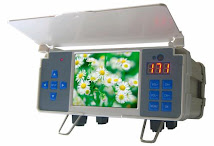
On first listening to them I was taken back by the fact that they did not sound at all bad, quite neutral, in fact they were pretty good. I am burning them in over the next few days and will give you more details on these rather rare cans. Of course some more photos will be taken. The pair I have is the EH-98bk (bk = black), if fact the plastic is more like charcoal grey. The inset photo is what I could find on the Japanese site on the EH-98.

Comfort wise, they are very comfortable, lightweight with no clamping of the head and ears.

Tuesday, May 12, 2009

Oumeidanji KT-88 Valve Amplifier.

The Oumeidanji KT-88 Valve Amplifier is a unique amplifier since it is capable of using the KT-88, 6550 or the EL-34 tubes in the same amplifier. The amplifier was designed as a small integrated for driving a pair of speakers and it does support a headphone amplifier out with an impedance of between 300 - 600 ohms. I would not recommend to drive headphones of lower impedance since it would become a burden on the amplifier. The amplifier runs in Class A and once warmed up it does run hot, so strongly ventilated areas are recommended. Since the amplifier will drive 300-600 ohm cans, these are well suited to the likes of by Darth Beyers or other Beyer Dynamic headphones.

Driving the pair of KT-88 are a pair of Chinese 6J8P tubes, and I did not bother with these. The western equivalents are the 6SJ7 or the premium 5693 metal cans. From the photos below you can see that I rolled the amplifier at first with a pair of RCA NIB NOS 6SJ7 matched pairs and then a pair of General Electric 5693 matched pair "Red Tubes". A note about the "Red Tubes", regardless of what brand you find imprinted on them, all "Red Tubes" are manufactured by RCA.

Whist the Black Metal RCA 6SJ7 Tubes were good, they were sonically no match for the superior "Red Tubes" and this accounts for the vast difference in price between the two in the market place.

The supplied pair of KT-88 tubes are from "Shuguang" of China, but I am very likely to change these to a pair of "Gold Lions" in the near future.

RCA 5693 "Special Red" Tubes

Replaces 6J8P, 6SJ7, and 6SJ7GT tube types. The RCA "Red" tubes (5690, 5691, 5692, 5693) were designed for 10,000 hours of use. RCA claimed the 5693 tube could withstand shocks of 100 G's for extended periods of time! These are the best upgrade tubes for this amp.


Photos below show the amplifier rolled with the General Electric 5693 "Red Tubes" which are NOS matched pairs.


In fact regardless of what brand is printed on these red metal cans, all the "Red Tubes" were manufactured by RCA.


The "5693 Red Tubes" are sonically superior to the 6SJ7 Black Metal Tubes and of course far superior to the stock 6J8P which I did not even bother with.


The Specs:

  • Shuguang KT88 X 2 , 6J8P X 2
  • Output Impedance : 8 ohm
  • Output Power :2 x 10 W (Class A)
  • Earphone Output Impedance 300-600 ohm
  • Frequency Response:5HZ-200KHZ
  • T.H.D. <>
  • Length 160mmx Height 170mmx Depth 320mm
  • Weight: 9kg
  • Color :Black
  • Power: Switchable 110V - 240V (50Hz -60Hz)
Review CD's:

1. Audiophile "Timeless Best Collection" 24 bit / 96khz DSP Mastering URCD;
2. Wild Blue "Jeanne Newhall";
3. We Miss You, Leslie "Chris Babida";
4. Dark Side of the Moon "Pink Floyd";
5. Tubular Bells "Mike Oldfield";
6. Variations "Andrew Lloyd Webber";
7. Hotel California "Eagles" - Japanese CD pressing;
8. 2AM "Danny Summer" XRCD;
9. Natural Elements "Acoustic Alchemy";
10.Breakdown "Paulinho Da Costa";
11.Gold Lion KT88 Vacuum Tube Audiophile Recordings "HECM - Musical Fedelity Recording";
12.Eternity "Angella Christie";
13.Hi-End Audiophile Test Demo "HD Mastering - ABC Recordings";
14.The Tube Hi-Fi Saxaphone " High Resolution Tube Recording - ABC Recordings";
15.Headphone Test Disc "ABC Recordings";
16.Memorial Version 30 years - Tubes "ABC Recordings";
17.Luxman 2009 Demonstration Disc " DSD recording";
18.Blue Skies "Stan Getz";
19.vol.SOUND "S.E.N.S."


Update 1: 30th May, 2009

Burn in is approaching close to 90 plus hours and the amplifier appears to be beginning to open up, the red tubes make a substantial difference to the overall timbre and sonic performance of the amplifier. I have still yet to decide on rolling of the KT-88 tubes and will leave them for now. I can hear the bag end (bass) tightening up and becoming better controlled. Once I near the 150 hour burn in mark I will report again. One thing, this is an amp for 300-600 ohm phones and it does not like the low impedance types - you will hear some hum with the low impedance phones. Phones in the right category work great with it!

Sunday, May 10, 2009

Taylor Swift.


Sixpence None The Richer.


Headphone Acoustics Reference CD : By Philips


The Headphone Acoustics Reference CD was produced by Philips specifically for reviewing and testing of headphones and is quite a useful CD to have around. The market price is around $20.00.

Track List:
  1. JWO Band : Release Yourself
  2. Primtose Path : Time after time
  3. Edward Val :Two of us
  4. Pennellion : Mona was here name
  5. Barber Shop Boys : Cape God
  6. L'Imperevu :Handel - The Arrival of the Queen of Sheba
  7. Jazz Gazz :Drive through
  8. Trio Peter Beets :Let's go
  9. Jump Beats :Percussions
  10. Mister Groeneveld :Percussive improvement
  11. Tramontana :An old friend
  12. Cantus ex Corde :Kolj Slawajen
  13. Utrechtsch Studenten :Tchaikovsky-Symphony no.1 part 2
  14. 28. STS Sound Library :A journey into live sound

Equipment used in Recording this CD:

Microphones Schoeps CMC6 with MK2H Capsules
Cables Siltech
Recorders Marantz CDR 640/outside CDR 300
Mixer Reportimix Eela Audio
A/D converter Weiss ADC1 Gambit series
Headphone Philips HP890/HP1000
Mains cabling Kemp Elektroniks
Mains filter Kemp Elektroniks

Paulinho Da Costa.


Tuesday, May 5, 2009

Audiotailor "Jade" Tube Headphone Amplifier.

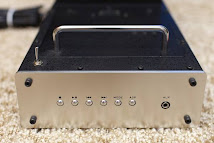
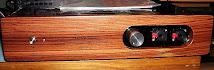
Above: The Audiotailor "Jade" in it's present stage of evolution with a low and high impedance switch on the front panel, two headphone outputs with different sound signatures and green LED.

Evolution:

The Audiotailor "Jade" Tube Headphone Amplifier has come a long way since it's early beginnings, my present version is somewhat different in appearance from the original which "Skylab" had originally reviewed on Head-Fi. A photo of the original review version can be found below and you can see immediately the changes which are apparent.The Jade is made in China, and will sell for $250 – an attractive price. I have not mentioned shipping price since this was not incurred as "Audiotailor" - Mr. Joseph Lau arranged for His partner C.K. Lau of Antique Sound Lab to meet me at my local train station for pick up. Thanks Joseph and C.K. for your help.

The "Jade" Tube Headphone Amplifier is not available on the web and in shops and one must contact Audiotailor through Head Fi to arrange to get a set. The original set came with a Peking "Star" 6N5P and a Electro Harmonix 12AX7 which is used as the driver. These tubes were in fact well partnered as stock tubes. The 6n5P is the Chinese variant of the 6AS7. For my own listening preferences I rolled the Sylvania 6AS7 and the Siemens ECC83 (12AX7) as I like the synergy of these tubes partnered. Burning in is now approaching the 100 hour mark and I am sure once passed the 200 hour mark it will be a stunning amplifier since the performance now is already quite exceptional.
With the 6AS7G as it's output tube and the input tube is a 12AX7 - the amp uses one of each tube, meaning that one channel rides on one section of each of these dual-triode tubes.

There are two outputs for headphone, both with slightly different sound signatures, one on the left sounding a bit more like an SS amp and the the one on the right more tubey in character. Naturally I preferred the right hand output. On the left side,
the sound was solid, very detailed, with deep penetrating bass, of high resolve, very clear and transparent, and certainly not bright or edgy, but not lush or rich as expected from a tube sounding amp. The sound stage was very well defined, but wider than it was deep.

For the right side the amp displayed a more tubey signature with an open sound sweet highs, slightly richer mids and less deep bass. The sound stage was quite wide and the general sound being warm associated with a tube amp.

This feature is great especially if you have multiple headphones like me and it means that you can mix and match to obtain the best sounding combination for each respective headphone. And of course on the the front panel there is also a high and low impedance switch which will help with those hard to drive headphones, but in my initial listening test I have found that I have not been able to use the high impedance setting since I have been able to drive most of my headphones quite well, except maybe for the Bwyer's which are high impedance. In the original review sample which "Skylab" had, there was no high/low impedance switch on the front panel.

Below is a photo of the original version:


DAC of Choice:

Some of you are going to call me nuts when I tell you that I have taken the digital signal from the CDP to be processed by an old Micromega "Microdac" DAC before sending the analog to the "Jade". The Microdac is quite an old design, but after trying and listening to various DAC's and pairing them up with the Jade, the Microdac was the best combination, it was the most lively, involving and musical combination. Worried about resolution, need not be as there was ample resolve and the sound staging was also excellent adding some needed depth. The Jade already had plenty of width.


There are still many audiophiles out there searching for the Microdac today and it is indeed still held in high regard, fetching even 250 to 300 Euros on the second hand market. Why, because it is musical in nature and more akin to analogue sound then hard cold digital. The Microdac is a DAC using 1 bit PDM Bitstream technology with 256 times oversampling.
Sampling frequencies are 32, 44, 48 kHz. Frequency response is 2 Hz - 20 kHz + - 0.2db. Digital input is either via coaxial cable or Toslink, but I prefer coaxial. Oh I did forget to mention that my Microdac is not your run of the mill version since I have upgraded and modified the inside components using Panasonic "Pureism" ele. caps, Holco .1% tolerance resistors and other goodies.

The digital cable between the CDP and Microdac is the XLO HT-4 Silver clad 4N - 1M length (99.994% pure) with OFHC center conductor and features:


  • Symmetrical coaxial geometry
  • Silver-clad, 4N (99.994% pure) OFHC copper center conductor
  • Ultra-low capacitance LDPE dielectric insulation
  • Bi-metallic shielding (silver-clad 4N OFHC braid + aluminum Mylar® foil)
  • for maximum protection against EMI and RFI
  • Pressure extruded, high stability protective outer jacket
  • Terminated with XLO’s precision machined, 24K gold-plated 75 Ohm RCAs

Burn-in Tools:
For burning-in I used the "XLO" burn in CD and the "Ayre" Irrational, But Efficacious CD's.

Review CD's:

1. Audiophile "Timeless Best Collection" 24 bit / 96khz DSP Mastering URCD;
2. Wild Blue "Jeanne Newhall";
3. We Miss You, Leslie "Chris Babida";
4. Dark Side of the Moon "Pink Floyd";
5. Tubular Bells "Mike Oldfield";
6. Variations "Andrew Lloyd Webber";
7. Hotel California "Eagles" - Japanese CD pressing;
8. 2AM "Danny Summer" XRCD;
9. Natural Elements "Acoustic Alchemy";
10.Breakdown "Paulinho Da Costa";
11.Gold Lion KT88 Vacuum Tube Audiophile Recordings "HECM - Musical Fedelity Recording";
12.Eternity "Angella Christie";
13.Hi-End Audiophile Test Demo "HD Mastering - ABC Recordings";
14.The Tube Hi-Fi Saxaphone " High Resolution Tube Recording - ABC Recordings";
15.Headphone Test Disc "ABC Recordings";
16.Memorial Version 30 years - Tubes "ABC Recordings";
17.Luxman 2009 Demonstration Disc " DSD recording";
18.Blue Skies "Stan Getz";
19.vol.SOUND "S.E.N.S."

More Later!

Sunday, May 3, 2009

PMC Speakers.

PMC AML-1 Active Professional Monitors
These are damn good active monitors, I had the chance to listen to them recently but only for a brief period and was very impressed. Will need to look into them a bit more further. PMC AML-1


Saturday, May 2, 2009

Hong Kong: Swine Flu Mutation Gives Unpredictable Toxicity


Footage shot from the scene outside the Metro Park Hotel in Wan Chai - Hong Kong, May 1st, 2009 circa 11:30 pm. This footage is unedited and shows health and safety workers quarantined the Metro Park hotel.


First case of Swine Flu imported to Hong Kong by Mexican Man - confirmed on 1st May, 2009.

Tube Amplifier Videos.

I want one: =)


Friday, May 1, 2009

Cryogenically Treated Vacuum Tubes: Is it all hype or are they really different?

You may have seen advertisements for cryogenic treated vacuum tubes and the benefits which are supposed to be derived from the cold process and wondered if this is hype or snake oil or does such a treatment really have any effect? I too also wondered about this and did look around, there are many vendors out there providing such treated vacuum tubes but the prices they are usually asking are more then just premium. They will bleed you. After a bit of searching, I came across Cryoset who do such a treatment for vacuum tubes but the prices they asked were reasonable and so decided to take just such a chance and ordered my first cryogenically treated vacuum tubes which were a matched pair of Electro Harmonix EL84 for my Yarland P-100 and a pair of Tung Sol 6SL7GT for my Little Dot Mk VI.

So did I hear any differences when compared to other tubes I had in stock, well I was very pleasantly surprised by the results of the Cryoset tubes and yes there are noticeable differences in the overall sound quality rendered. To put it in a nutshell, the overall detail and SQ seemed to be much better defined and refined with no graininess , even very Small nuances come through with exceptional clarity. The sound staging I have found is more exact and the musical nature of the reproduction has greatly improved. In my own opinion, yes there are differences and the small amount extra paid was worthwhile for such differences.

I have since added a pair of Cryoset Sovtek 12AX7 Long Plates to my collection.

I have no connection with Cryoset and this is purely based on my experience which I wanted to share.

On the technical description of the Cryoset treatment, this is an extract of their information:

The proprietary Cryoset treatment process utilizes a computer controlled, cryogenic chamber to very gradually reduce the temperature of the tubes to 300 degrees below zero (Fahrenheit) and holding them there for a minimum of 24 hours. After the extended dwell at this cryogenic temperature, the vacuum tubes are then very slowly brought up to ambient temperature over the next 24 hours and stabilized. The process is a "dry" one that utilizes liquid nitrogen as a cryogen that is flashed into the chamber. The tubes are never exposed to the actual liquid. All these processes are microprocessor controlled under strict and verifiable conditions. Scientists have known for years that material transformations occur when they are exposed to cryogenic temperatures. Many of the early discoveries were more fully explored by NASA engineers who were trying to understand what would happen to metals when subjected to the extreme temperatures of space. Today, a wide range of commercial items from softball bats to race engines are cryogenically treated to improve their performance by enhancing the material properties with "cold treating" or cryogenic processing. This technology brings practical application to audio and other electrical components as well. Cryogenic treatment modifies the micro structure of the metals used in critical electronic components by reducing or eliminating voids and imperfections in the material. Crystal structures (or grains) have been shown to be modified after cryogenic treatment, creating a more uniform or homogeneous micro structure. The thermal dissipation properties of the metals are improved, reducing hot spots and further contributing to extended life and improved performance. In addition, the physical contraction of the metals while under the deep freeze imparts a mechanical compression on the metals that contributes to improved signal transmission quality and speed. The materials used in electronics are highly fabricated and the manufacturing processes used impart or induce stresses in them. In addition, welding and soldering adds additional stress from concentrated areas of heating. Most everyone recognizes that welded components often fail at the weld -- a "weak" spot. The weakness comes from residual stresses inherent in all materials, further exacerbated by manufacturing techniques or processes. Cryogenic treatment relieves stresses and normalizes (or stabilizes) welded and soldered areas. This mechanism is founded in the observation first made by Bose and later by Einstein, that matter is at it most relaxed state when it has the least amount of kinetic energy (or molecular activity). Absolute zero (-459 Fahrenheit) is that point where no more energy can be extracted, or when a material is at its most "relaxed" state. While Cryoset (R) thermal treatment does not get to absolute zero, you can understand how going to minus 300 degrees Fahrenheit for an extend dwell time enables the material to become more relaxed and stress relieved. The transformations as a result of cryogenic treatment is permanent, and do not change with time.
You can visit Cryoset at: Cryoset Treated Vacuum Tubes To -300 Deg. F